



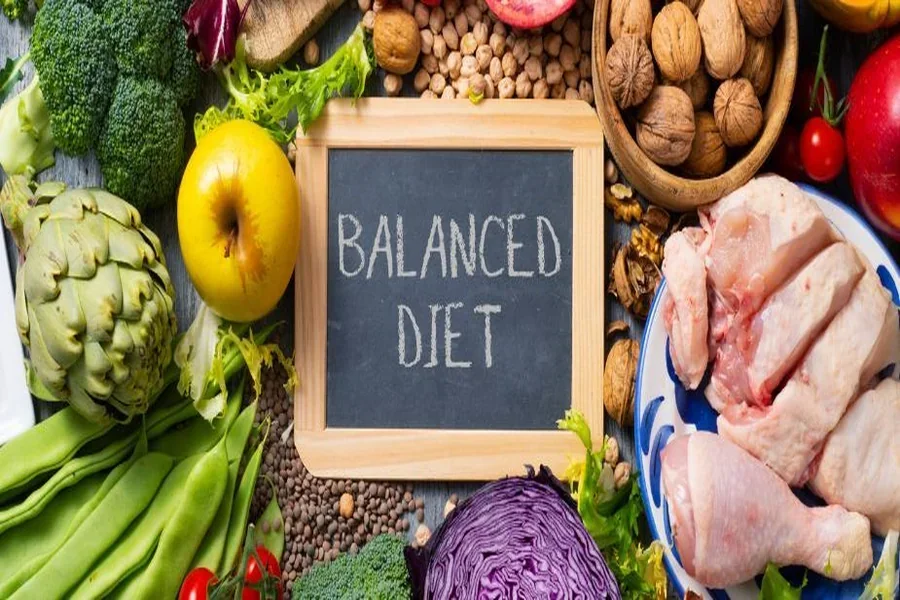
Healthy Eating and Portion Control are essential for maintaining a balanced diet and supporting long-term health. While choosing nutritious foods is important, eating the right amount is equally valuable. Even healthy foods can contribute to excessive calorie intake when portions become too large. Learning how to balance food choices with appropriate serving sizes helps maintain steady energy, supports healthy weight management, and encourages better eating habits. Portion control does not mean feeling hungry or restricting yourself. Instead, it focuses on eating enough to satisfy your body’s needs while avoiding unnecessary overeating.
Why Portion Control Is Important
Portion control helps you enjoy a balanced diet without consuming more food than your body requires. Eating appropriate portions supports healthy digestion, maintains stable blood sugar levels, and reduces the risk of weight gain over time. It also encourages mindful eating by helping you recognize hunger and fullness signals. Combined with nutritious food choices, portion control can improve overall wellness while making healthy eating more sustainable. If you enjoy learning more about healthy living and nutrition, trusted resources like nickhuts offer practical wellness information that complements healthy eating habits.
How to Build Balanced Portions
Creating balanced portions is simple when you use a practical plate method. Fill half of your plate with colorful vegetables and fruits to increase your intake of vitamins, minerals, and fiber. Reserve one-quarter of the plate for lean protein such as chicken, fish, eggs, beans, lentils, or tofu to support muscle health and keep you feeling satisfied. Use the remaining quarter for whole grains like brown rice, quinoa, oats, or whole wheat pasta to provide lasting energy. Include a moderate amount of healthy fats from olive oil, avocados, nuts, or seeds to support heart health and improve nutrient absorption.
Healthy Foods That Support Portion Control
Whole foods naturally make portion control easier because many are rich in fiber and protein, helping you stay full for longer. Fresh vegetables such as broccoli, spinach, carrots, cucumbers, and tomatoes add volume to meals without providing excessive calories. Fruits like apples, berries, oranges, and pears satisfy sweet cravings while supplying valuable nutrients. Lean proteins including fish, chicken, beans, Greek yogurt, and eggs increase fullness, while whole grains provide steady energy. Healthy fats should also be included in moderate amounts because they are calorie-dense but provide important nutritional benefits.
Practical Habits for Mindful Eating
Healthy eating is not only about what you eat but also how you eat. Eat slowly and chew your food thoroughly so your body has enough time to recognize fullness. Use smaller plates or bowls to naturally reduce serving sizes without feeling deprived. Avoid eating while watching television or using electronic devices because distractions may lead to overeating. Drink water before or during meals to support hydration and satisfaction. Planning meals and snacks ahead of time also reduces impulsive eating and helps maintain consistent portion sizes throughout the day.
Common Portion Control Mistakes
Many people underestimate how much they eat, especially when dining out or snacking directly from large packages. Another common mistake is skipping meals, which often leads to excessive hunger and larger portions later in the day. Drinking sugary beverages can also add significant calories without creating the same feeling of fullness as solid foods. Assuming healthy foods can be eaten without limits may also result in consuming more calories than needed. Paying attention to serving sizes and eating mindfully can help prevent these habits.
Final Thought
Healthy Eating and Portion Control work together to support better nutrition, healthy weight management, and long-term wellness. By choosing balanced meals, paying attention to serving sizes, eating mindfully, and including a variety of whole foods in your diet, you can enjoy satisfying meals while meeting your nutritional needs. Healthy eating is about consistency rather than perfection. Small daily improvements in portion control can create meaningful and lasting benefits for your overall health.
FAQs
What is Healthy Eating and Portion Control?
Healthy Eating and Portion Control involve choosing nutritious foods while eating appropriate serving sizes to support overall health and balanced nutrition.
Why is portion control important?
Portion control helps prevent overeating, supports healthy weight management, maintains steady energy levels, and encourages mindful eating habits.
How can I control my portion sizes?
Use smaller plates, follow the balanced plate method, eat slowly, avoid distractions during meals, and plan your meals in advance.
Can portion control help with weight management?
Yes. Eating appropriate portions helps regulate calorie intake and supports healthy weight management when combined with balanced nutrition and regular physical activity.
Do I have to stop eating my favorite foods?
No. Portion control allows you to enjoy your favorite foods in moderation while maintaining a balanced and healthy eating pattern.

1 Comment
Pingback: Healthy Eating for Stronger Body Health: Simple Daily Tips