



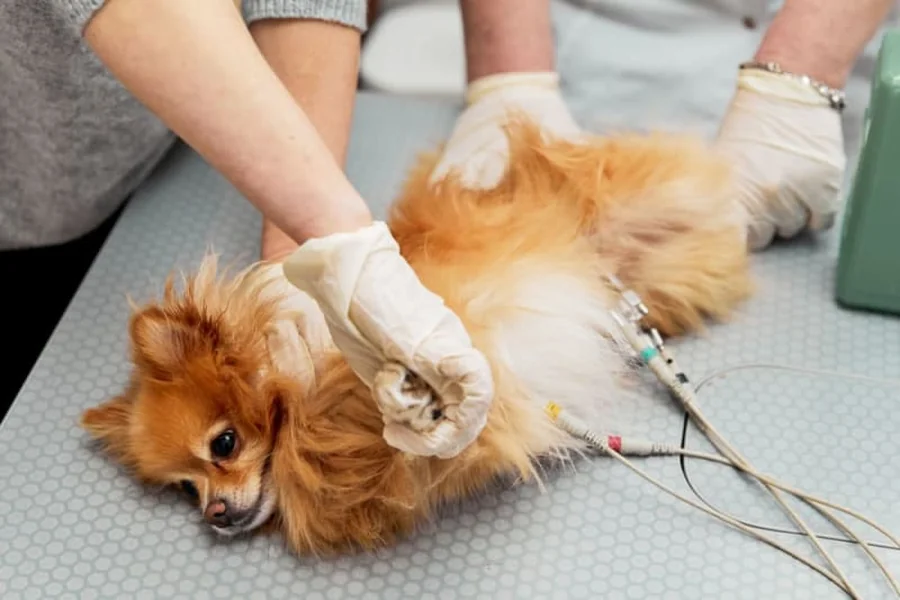
You walk into an emergency vet visit expecting answers, then someone mentions continuous ECG monitoring and the room suddenly feels more serious. That reaction is normal. If you’re looking for a San Diego after-hours vet, it can help to know that when your pet is already sick, in pain, or heading into a procedure, hearing that their heart rhythm needs close watching can make your mind jump to the worst case.
Continuous ECG monitoring is often a safety step, not a sign that something terrible has already happened. It gives the veterinary team a live view of how your pet’s heart is beating, whether the rhythm is steady, and whether changes show up before they become a larger problem. In an emergency vet setting, that kind of early warning matters.
Continuous ECG monitoring helps catch unstable heart rhythms early
One of the clearest reasons pets are placed on continuous ECG monitoring is the risk of arrhythmias, which are abnormal heart rhythms. Some arrhythmias are mild. Others can reduce blood flow, worsen oxygen delivery, or lead to collapse. A pet can look fairly calm on the outside while the heart tracing shows something changing underneath.
This is common in pets with heart disease, chest trauma, severe infection, heatstroke, toxin exposure, or electrolyte problems. If a dog comes in after eating something dangerous, for example, the first issue may be vomiting or shaking, but the hidden danger may be a rhythm disturbance that appears later. A live ECG lets the team respond fast instead of waiting for symptoms to become obvious.
Anesthesia and sedation can change heart rate and rhythm
Pets under anesthesia or heavy sedation are often monitored continuously because anesthetic drugs can affect blood pressure, breathing, and cardiac rhythm. That does not mean anesthesia is unsafe by default. It means good medicine involves watching closely while your pet cannot show distress in the usual ways.
Veterinary anesthesia guidelines support careful physiologic monitoring during procedures, especially when a pet is older, ill, or having a longer treatment. You can see how monitoring fits into broader veterinary anesthesia and analgesia guidelines. ECG is one piece of that safety picture, along with oxygen, blood pressure, temperature, and breathing checks.
Emergency conditions can strain the heart even when the heart is not the main problem
A pet does not need a known heart condition to end up on ECG. Shock, internal bleeding, severe pain, bloat, seizures, and respiratory distress all put stress on the cardiovascular system. In these cases, the heart may be reacting to the crisis rather than causing it, but the result still needs attention.
You might hear that your pet’s heart rate is too fast, too slow, or irregular. That can happen when the body is trying to compensate for low oxygen, fluid loss, or inflammation. Continuous monitoring shows whether treatment is helping. If fluids, oxygen, or pain control improve the tracing, that tells the team something useful right away.
Cardiac monitoring guides treatment decisions in real time
ECG does more than sound an alarm. It helps direct care. If a cat with breathing trouble develops a dangerous rhythm after medication, the team can adjust the plan. If a dog recovering from surgery has a brief abnormal rhythm that resolves on its own, that may prevent unnecessary intervention.
Hospitals that manage complex cardiac cases use monitoring to track patterns, not just single moments. This approach is reflected in ongoing work around cardiac monitoring in veterinary patients. The goal is simple. See changes as they happen, then match treatment to what the heart is actually doing.
Recovery after surgery or a procedure is a common time for ECG use
Some pets are stable during a procedure and develop issues during recovery, when body temperature shifts, pain rises, or anesthetic drugs wear off unevenly. Continuous ECG monitoring during this stage helps the team catch rhythm changes before they turn into a larger setback.
This is one reason many specialty centers include close observation as part of anesthetic care. The anesthesiology service at Ohio State outlines how monitoring supports pets before, during, and after procedures. Recovery is not a minor detail. It is part of the treatment window.
Some toxins and medications can trigger dangerous rhythm changes
Pets are curious, fast, and talented at getting into things they should not. Human medications, chocolate, stimulant products, rodenticides, and some plants can all affect the heart. Even prescribed drugs can alter rhythm in certain cases, especially if a pet has underlying disease or dehydration.
In these situations, a single ECG snapshot may miss a problem that comes and goes. Continuous monitoring is more useful because it follows the rhythm over time. That matters when changes are intermittent, or when the risk rises as a toxin is absorbed.
Monitoring offers a clearer picture than observation alone
You can watch your pet breathe, see whether they seem tired, and notice if they are restless, but you cannot see electrical activity in the heart. Staff observation remains essential, yet it has limits. ECG fills that gap.
This is why pet heart monitoring is often used even when a pet seems fairly stable at first glance. It adds objective data. In emergency care, that can mean the difference between reacting late and acting early. It also helps explain why a team may recommend extra monitoring before they can tell you whether your pet is ready to go home.
Risks and benefits of continuous ECG monitoring in pets
| Situation | Why ECG Monitoring Is Used | Main Benefit | What It May Prevent |
|---|---|---|---|
| Anesthesia or sedation | Drugs can change rhythm and heart rate | Fast response to instability | Delayed recognition of anesthetic complications |
| Emergency illness or trauma | Shock, pain, blood loss, or low oxygen can stress the heart | Tracks changes during treatment | Missed arrhythmias during a crisis |
| Toxin exposure | Some toxins cause intermittent rhythm problems | Captures changes over time | Sudden collapse without warning signs |
| Post operative recovery | Rhythm issues may appear after the procedure ends | Safer recovery period | Unseen complications after surgery |
What you can do when your pet is on continuous ECG monitoring
Ask what the team is watching for. A simple question helps you get grounded. Is the concern anesthesia, trauma, toxin exposure, or a known rhythm issue? When you know the reason, the monitor feels less mysterious.
Share every detail you have. Tell the team about medications, supplements, possible toxins, fainting episodes, coughing, exercise intolerance, or anything unusual from the last 24 to 48 hours. Small details can explain a rhythm change.
Ask what changes the next step. You do not need a full lecture in a stressful moment. Ask what would make your pet safer to go home, what would mean staying longer, and whether continuous cardiac monitoring for pets is expected to be short term or ongoing through the night.
Steady monitoring gives your pet a safer margin
If your pet is placed on continuous ECG monitoring, the message is usually that the team wants tighter control and faster answers. That is a good thing. ECG monitoring for pets gives the emergency vet team a way to spot trouble early, measure response to treatment, and protect your pet during the most uncertain hours.
If your pet has been referred for monitoring, stay close, ask direct questions, and follow the treatment plan you are given. Clear information and close observation often work together to get a pet through a hard night more safely.
