



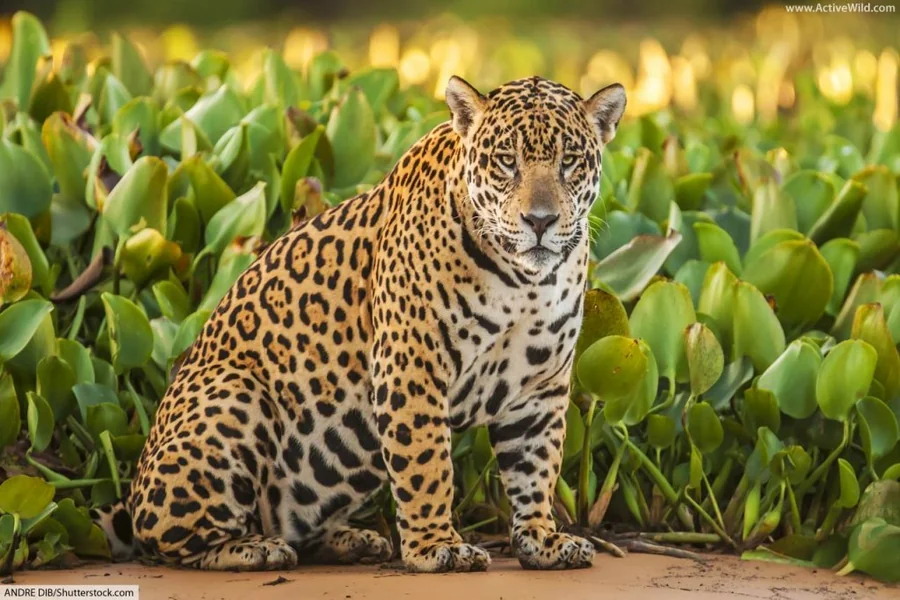
Wildlife In Tropical Forest represents one of the richest and most diverse parts of the natural world. Tropical forests provide food, shelter, breeding areas, and protection for countless species. From tiny insects hidden beneath leaves to large mammals moving through dense vegetation, these ecosystems support an incredible range of life.
The diversity found in these forests is closely connected to the variety of plants, climates, and habitats they contain. People interested in wildlife can learn more about different animals and their natural environments through resources such as natureanimalhub, while tropical forests themselves offer an extraordinary example of how species depend on one another.
Why Tropical Forests Support So Much Wildlife
Tropical forests generally have warm temperatures and, in many regions, high levels of rainfall throughout the year. These conditions allow plants to grow continuously, creating an abundant supply of food and shelter for animals.
The layered structure of a tropical forest also creates many different habitats. The forest floor, understory, middle layers, and canopy each provide different living conditions. Some animals spend most of their lives among tree branches, while others remain close to the ground.
This variety allows numerous species to occupy the same forest without always competing directly for the exact same resources. A bird feeding high in the canopy, for example, may have a very different lifestyle from an animal searching for food among fallen leaves.
Mammals, Birds, and Reptiles
Tropical forests are home to an impressive range of mammals. Depending on the region, these can include monkeys, sloths, big cats, elephants, bats, and many smaller mammals. Each species has adapted to particular conditions within its environment.
Birdlife is equally remarkable. Tropical forests often contain colorful parrots, toucans, hornbills, hummingbirds, birds of prey, and many other species. Their diets can include fruit, seeds, insects, nectar, and small animals.
Reptiles also play important roles. Snakes, lizards, turtles, and crocodilians can be found in or around tropical forest habitats. Some live primarily on the ground, while others are adapted to life in trees or near rivers and streams.
These animals are not simply inhabitants of the forest. They are part of interconnected ecological systems that help maintain the health of their surroundings.
The Hidden World of Insects and Small Creatures
Large animals often receive the most attention, but some of the most important forest wildlife is surprisingly small. Insects, spiders, frogs, and other small creatures perform essential ecological functions.
Bees, butterflies, moths, and other insects can help pollinate plants. Ants contribute to soil processes and decomposition, while many beetles help break down organic material. In turn, these small creatures provide food for birds, reptiles, amphibians, and mammals.
Tropical forests can contain an enormous variety of insects that are still poorly understood. New species and behaviors continue to be documented by researchers, showing that there is much more to these ecosystems than what is immediately visible.
Amphibians are another important group. Frogs and other species can be particularly sensitive to environmental changes, making them useful indicators of ecosystem conditions.
How Animals Depend on Each Other
Wildlife in a tropical forest is connected through food webs and ecological relationships. Plants provide food and shelter, herbivores consume vegetation, and predators help regulate animal populations.
Some relationships are more cooperative. Certain animals spread seeds after eating fruit, helping plants reproduce in different parts of the forest. Birds and insects may transport pollen between flowers, supporting plant reproduction.
Decomposition is also essential. When plants and animals die, fungi, insects, bacteria, and other organisms help break down organic material. Nutrients can then return to the soil and become available for new plant growth.
This constant exchange demonstrates why protecting one species can have effects beyond that individual animal. Changes to one part of an ecosystem can influence many other organisms.
Threats Facing Tropical Forest Wildlife
Despite their ecological importance, tropical forests face significant pressures. Deforestation, habitat fragmentation, illegal hunting, pollution, invasive species, and climate change can all affect wildlife populations.
When forests are cleared, animals may lose access to food, shelter, nesting locations, and migration routes. Even when some forest remains, fragmentation can isolate populations and make it harder for animals to move between suitable habitats.
Climate change can create additional challenges by altering rainfall patterns, temperatures, seasonal cycles, and food availability. Species that depend on very specific environmental conditions may have difficulty adapting to rapid changes.
Illegal wildlife trade is another concern. Animals captured from the wild can face stress, injury, and population decline, while removing key species from ecosystems can affect ecological relationships.
Protecting Tropical Forest Ecosystems
Conservation efforts can take many forms. Protecting existing forests is one of the most direct ways to preserve wildlife habitat. National parks, protected areas, wildlife corridors, and community-managed forests can all contribute to conservation when they are effectively managed.
Reforestation and habitat restoration can also help damaged areas recover. Planting appropriate native vegetation may provide food and shelter while reconnecting fragmented habitats.
Local communities are important partners in many conservation programs. People living near forests often have valuable knowledge about local species and environmental conditions. Sustainable livelihoods can also reduce economic pressure to clear forests or exploit wildlife.
Individuals can contribute by supporting responsible conservation organizations, avoiding products connected to illegal wildlife trade, reducing waste, and learning more about threatened ecosystems.
Responsible Wildlife Appreciation
Seeing tropical wildlife can be an unforgettable experience, but observing animals responsibly is important. Wildlife should be given enough space to behave naturally, and visitors should avoid feeding, touching, chasing, or disturbing animals.
Responsible tourism can provide economic benefits to communities while creating incentives to protect natural habitats. Choosing ethical wildlife experiences and following local guidelines can help minimize the impact of visitors.
Photography and observation can also encourage appreciation without interfering with animals. The goal should be to experience nature while respecting the environment that makes such encounters possible.
Final Thought
Tropical forests are living networks filled with animals of every size, each contributing to the health and balance of the ecosystem. From mammals and birds to insects, reptiles, and amphibians, every species has a role within its environment.
Protecting these forests means protecting far more than individual animals. It means preserving habitats, food webs, plant diversity, and ecological processes that support life. By understanding tropical wildlife and making responsible choices, people can play a part in keeping these remarkable ecosystems healthy for future generations.
FAQs
What animals live in tropical forests?
Tropical forests can support mammals, birds, reptiles, amphibians, insects, spiders, and many other forms of wildlife.
Why are tropical forests important for wildlife?
They provide food, water, shelter, breeding areas, and diverse habitats that allow many different species to survive.
What is the biggest threat to tropical forest wildlife?
Habitat loss caused by deforestation is a major threat, while climate change, hunting, pollution, and illegal wildlife trade can create additional pressures.
How do animals help tropical forest ecosystems?
Animals can pollinate plants, disperse seeds, control populations, recycle nutrients, and contribute to complex food webs.
How can people help protect tropical forest wildlife?
People can support conservation, choose sustainable products, respect wildlife, reduce environmental waste, and avoid products connected to illegal wildlife trade.
