



Why Complete Dental Health Matters
Good dental health is an important part of overall well-being. Healthy teeth and gums make it easier to eat, speak, and smile with confidence. A consistent oral care routine can also help reduce the risk of cavities, gum problems, plaque buildup, and other common dental concerns.
Daily care is the foundation of good oral hygiene. Brushing twice a day with fluoride toothpaste for two minutes and cleaning between the teeth daily can help remove plaque and support healthier teeth and gums.
Dental health is not limited to brushing. Diet, hydration, lifestyle habits, professional dental visits, and the way you respond to early symptoms can all make a difference. Building a complete routine helps protect your smile over the long term.
Essential Daily Dental Care Habits
Brushing twice a day is one of the simplest and most effective ways to care for your teeth. Use a soft-bristled toothbrush and fluoride toothpaste, and spend around two minutes cleaning all tooth surfaces. Gentle brushing along the gumline can help remove plaque without putting unnecessary pressure on the gums.
Cleaning between the teeth is equally important. Dental floss or another interdental cleaner can reach areas that toothbrush bristles cannot clean effectively. Making this part of your daily routine can help reduce plaque and support healthier gums.
Your tongue can also collect bacteria and food debris. Gently brushing the tongue can help keep the mouth feeling cleaner and may support fresher breath. Avoid aggressive scraping because oral tissues should be treated gently.
Replacing a worn toothbrush or brush head is another useful habit. When bristles become damaged or spread out, cleaning may become less effective. Choose a toothbrush that feels comfortable and allows you to reach all areas of your mouth.
For people with limited mobility or difficulty using a manual toothbrush, a powered toothbrush may be a practical alternative. The most important factor is using the brush correctly and consistently.
Food, Drinks, and Lifestyle Choices
Your diet plays a major role in dental health. Frequently consuming sugary foods and drinks can increase the risk of tooth decay because oral bacteria can use sugars to produce acids that damage tooth enamel. Limiting frequent sugar exposure is therefore an important part of preventive care.
Water is another simple but valuable choice. Drinking water can help rinse away food particles and keep the mouth hydrated. Good hydration also supports saliva, which naturally helps protect the teeth.
Acidic beverages can also affect enamel when consumed frequently. Soda, energy drinks, and some fruit beverages may increase acid exposure. Choosing water more often and avoiding prolonged sipping of acidic drinks can help reduce unnecessary exposure.
Tobacco use can negatively affect oral health as well. Smoking and other tobacco products can contribute to staining, bad breath, gum problems, and other oral concerns. Avoiding tobacco is an important part of maintaining a healthier mouth.
For readers interested in broader health and lifestyle topics, discourse magazine offers additional content that can complement healthy everyday habits.
Professional Dental Care and Prevention
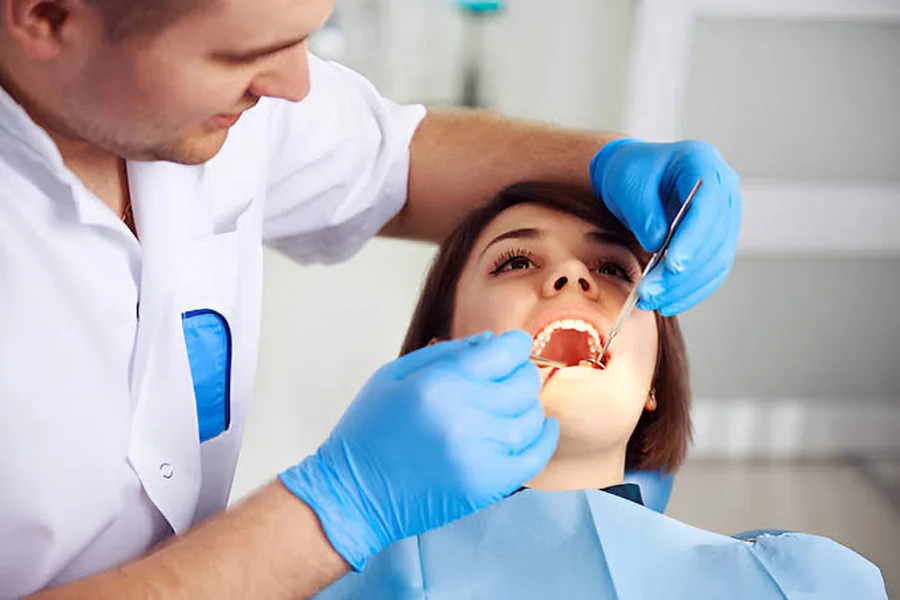
Home care is essential, but professional dental care is also an important part of a complete oral health routine. Dental professionals can examine the teeth and gums for problems that may not be obvious at home. Professional cleanings can also help remove hardened tartar that ordinary brushing cannot eliminate.
The right schedule for dental visits can vary depending on a person’s individual needs. People with certain dental conditions, a history of cavities, gum problems, or other risk factors may need more frequent professional care.
It is also important to seek dental advice when symptoms do not go away. Persistent tooth pain, swollen gums, bleeding, unusual sensitivity, loose teeth, or ongoing bad breath can require professional evaluation.
Regular preventive care can be especially valuable because some dental problems may develop before noticeable symptoms appear. Early attention can help prevent minor concerns from becoming more complicated.
For additional everyday lifestyle and general-interest topics, coolkingzone com provides a variety of content that may complement your daily routine.
Dental Care Through Different Life Stages
Dental needs can change throughout life. Babies and young children need help establishing healthy brushing habits, while adults often need to balance oral care with work, diet, medications, and lifestyle factors.
For children, dental care should begin early. Young children may need help brushing because they may not yet have the ability to clean their teeth effectively on their own. Building good habits early can make dental care easier as they grow.
Teenagers may face different challenges, including orthodontic treatment, frequent snacking, sports-related dental risks, and inconsistent routines. Encouraging regular brushing, interdental cleaning, and healthier food choices can help maintain good habits.
Adults should continue consistent brushing and interdental cleaning while keeping regular dental appointments. People with dry mouth or other oral health concerns may need additional guidance from a dental professional.
Older adults may also experience changes in gum health, tooth sensitivity, dry mouth, or difficulty cleaning around dental restorations. Personalized professional advice can help address these changing needs.
Final Thought
A complete approach to oral health combines daily care, healthy lifestyle choices, preventive habits, and professional dental support. Brushing twice a day with fluoride toothpaste, cleaning between your teeth, drinking water, limiting frequent sugary foods and drinks, and responding to dental symptoms can all help protect your smile.
The best Complete Dental Health Guide is one that fits naturally into your everyday life. Consistency matters more than complicated routines. By taking care of your teeth and gums at every stage of life and maintaining regular professional care, you can build a stronger foundation for long-term oral health.
FAQs
How often should I brush my teeth?
You should generally brush your teeth twice a day for about two minutes each time using fluoride toothpaste.
Is cleaning between the teeth really necessary?
Yes, cleaning between the teeth helps remove plaque and food debris from areas that a toothbrush cannot effectively reach.
Is fluoride toothpaste important for dental health?
Yes, fluoride toothpaste can help protect teeth against decay when used as directed.
Can drinking water help protect my teeth?
Yes, water can help rinse away food particles and support hydration, which contributes to a healthier oral environment.
How often should I replace my toothbrush?
Replace your toothbrush or brush head when the bristles become worn or damaged. A worn brush may not clean as effectively.
Should children use fluoride toothpaste?
Yes, children can benefit from age-appropriate amounts of fluoride toothpaste as part of a proper dental care routine.
Can mouthwash replace brushing and flossing?
No, mouthwash may be an additional part of oral care, but it does not replace regular brushing and cleaning between the teeth.
When should I see a dentist?
You should maintain regular dental visits based on your individual needs and seek professional advice for persistent pain, swelling, bleeding, sensitivity, loose teeth, or other unusual oral changes.
