



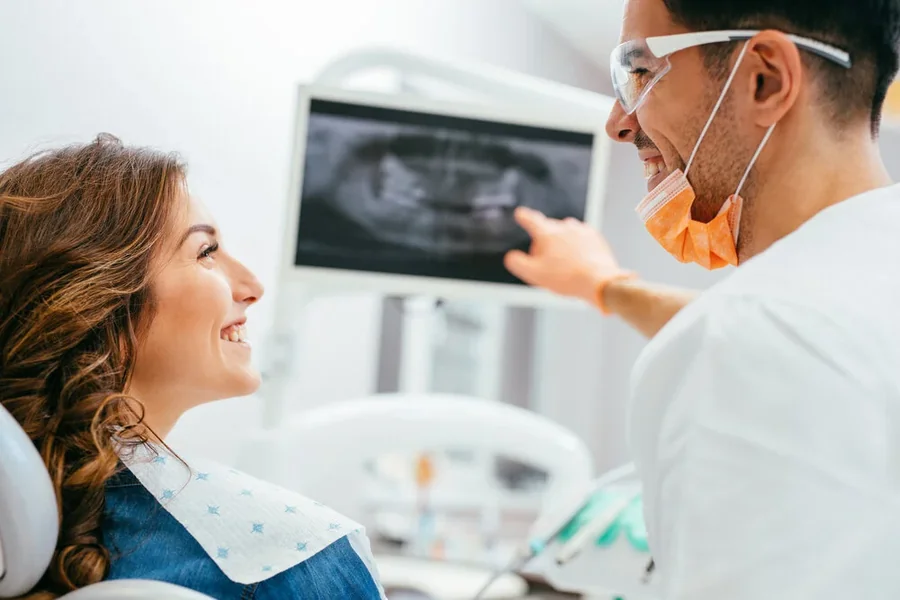
You notice it when your mouth feels sticky, your lips keep drying out, and even swallowing starts to feel off. Food may taste different. Your breath may seem worse by midday. If this has been going on for a while, a North Scottsdale dentist can tell you that it can get under your skin fast, because a dry mouth does not just feel annoying. It can change how you eat, speak, sleep, and care for your teeth.
That is where How General Dentists Help Patients Manage Oral Changes During Dehydration becomes more than a simple health topic. Dehydration can reduce saliva, and saliva does more work than most people realize. It washes away food particles, helps control acids, protects enamel, and supports the soft tissues in your mouth. When that protection drops, irritation, decay, and gum problems can show up quickly. A general dentist can spot those changes early, explain what is happening, and help you protect your mouth while you address the cause.
Dehydration changes the mouth in ways that are easy to miss at first
Most people do not connect dry lips, thicker saliva, bad breath, or a burning feeling on the tongue with dehydration right away. They assume they need a stronger mouthwash, a different toothpaste, or better brushing. The problem is that dehydration often changes the mouth from the inside out. Less fluid in the body usually means less saliva, and less saliva leaves the teeth and gums exposed.
You may also be dealing with long work hours, illness, exercise, hot weather, medications, or mouth breathing at night. Sometimes the issue builds slowly. You drink coffee all day, forget water, wake up dry, and then push through it. That pattern can make your mouth feel rough, your gums tender, and your teeth more sensitive. Over time, the risk for cavities rises, especially near the gumline where saliva usually helps protect the enamel.
According to the National Institute of Dental and Craniofacial Research, dry mouth can raise the risk of tooth decay, mouth infections, and problems with chewing and swallowing. The issue is not only comfort. It is oral health protection.
General dental care helps limit damage from dry mouth and dehydration
A general dentist looks at the full picture, not just whether your mouth feels dry that day. They check for early enamel wear, plaque buildup, irritated tissues, gum recession, cracked lips, and signs of oral infection. They may ask about your water intake, medications, breathing habits, and recent illness because the pattern matters. A dry mouth after a tough workout is different from dry mouth that has lasted for months.
This is where managing dry mouth with a general dentist can make a real difference. If your saliva flow is low, your dentist may recommend fluoride treatments, gentler oral care products, and changes to your routine that reduce acid exposure and protect enamel. They may also suggest more frequent cleanings if plaque is building up faster than usual.
When the mouth stays dry, bacteria tend to linger longer. That can mean bad breath that does not improve with brushing alone. It can also mean small sore spots that keep getting irritated. The NIH notes that dry mouth may be linked to trouble tasting, chewing, swallowing, and speaking. Those daily changes can wear you down, especially when they start affecting meals, sleep, or confidence around other people.
A dentist also knows when the problem may need medical follow-up. If your oral changes seem severe, sudden, or tied to a health condition or medication, dental findings can help guide the next conversation with your physician.
Comparing home care and professional support during oral dehydration
| Approach | What It Helps | Limits |
| Drinking more water | Supports hydration and may ease mild dryness | Does not treat enamel damage, cavities, or tissue irritation already present |
| Sugar free gum or lozenges | Can stimulate saliva and improve comfort | Relief may be short lived, and some products can irritate sensitive mouths |
| Over the counter dry mouth rinses | May soothe dryness and reduce discomfort | Some products do not address the underlying cause or cavity risk |
| General dentist evaluation | Identifies early decay, gum changes, soft tissue problems, and enamel wear | Needs follow through at home and, in some cases, medical evaluation too |
| Professional fluoride and preventive care | Strengthens teeth and lowers cavity risk during ongoing dryness | Works best as part of a broader plan, not as a one time fix |
If you have been trying to handle this on your own, that makes sense. Many people do. The trouble is that home care usually focuses on the feeling of dryness, while general dental care for dehydration related oral changes focuses on the effect that dryness is having on teeth, gums, and soft tissues. Both matter, but they are not the same thing.
MedlinePlus also points out that treatment may include addressing causes, easing symptoms, and preventing complications such as tooth decay and infections. Their overview of dry mouth symptoms and treatment options reflects what many dental patients experience when dryness starts affecting daily life.
Small steps taken early can prevent bigger dental problems
Track your dryness pattern. Pay attention to when your mouth feels worst. Morning dryness, exercise related dryness, medication timing, and poor sleep can all leave clues. Bring that pattern to your dental visit. It helps your dentist separate a short term issue from a more persistent one.
Protect your teeth while your mouth is dry. Use fluoride toothpaste, sip water regularly, and limit frequent sugary or acidic drinks. If your mouth feels dry all day, constant snacking can raise cavity risk fast because saliva is not there to buffer acids the way it should.
Schedule a dental exam before discomfort turns into damage. A general dentist can catch early signs of decay, gum irritation, and tissue stress before they become more painful and more expensive to treat. If the dryness points to a larger health concern, you will have a clearer path for what to do next.
Relief starts with understanding what dehydration is doing to your mouth
You are not overreacting if a dry mouth has started affecting your comfort, eating, sleep, or confidence. Those changes are real, and they can build into dental problems if they are ignored. A general dentist helps by identifying the oral effects of dehydration, protecting your teeth and gums, and giving you a plan that fits your daily life.
If your mouth has been feeling off for more than a few days, or if dryness keeps coming back, schedule a visit with a general dentist and get ahead of the damage.
