



Introduction
Learning how to keep your dog healthy naturally can help your furry companion enjoy a longer, happier, and more active life. Many dog owners want to support their pets’ health without depending only on quick solutions, and natural care focuses on building strong daily habits. A healthy dog benefits from proper nutrition, regular exercise, mental stimulation, clean surroundings, and consistent attention from a caring owner.
Natural dog care does not mean avoiding professional veterinary support. Instead, it means creating a lifestyle that supports your dog’s overall wellness while paying attention to their individual needs. Every dog is different, so age, breed, activity level, and health conditions should always be considered when choosing the right routine.
Small changes can make a noticeable difference. Providing fresh food, encouraging movement, maintaining good hygiene, and reducing unnecessary stress can improve your dog’s quality of life. With patience and consistency, natural health practices can become a normal part of your daily routine.
Provide a Balanced and Natural Diet
Food plays one of the biggest roles in your dog’s overall health. A balanced diet provides the energy, vitamins, minerals, and nutrients needed for strong muscles, a healthy coat, and proper immune function. Choosing high-quality food with suitable ingredients is one of the most important steps when learning how to keep your dog healthy naturally.
A natural diet should include the right balance of protein, healthy fats, carbohydrates, and essential nutrients. Lean meats, veterinarian-approved vegetables, and quality commercial foods made with nutritious ingredients can support your dog’s needs. However, every dog has different dietary requirements, so sudden diet changes should be avoided.
Fresh water is equally important. Dogs need access to clean water throughout the day to support digestion, circulation, and temperature control. Dehydration can lead to serious health concerns, especially during warm weather or after physical activity.
Avoid feeding your dog foods that are harmful to them, such as chocolate, onions, garlic, grapes, raisins, and certain artificial sweeteners. Even small amounts of some human foods can create health risks. When introducing new foods, start slowly and monitor your dog for any unusual reactions.
Natural supplements may also support your dog’s wellness, but they should be used carefully. Ingredients such as omega fatty acids can support skin and coat health, while some supplements may help with joint support. It is best to discuss supplements with a veterinary professional before adding them to your dog’s routine.
Encourage Exercise and Mental Stimulation
Regular activity is essential for keeping your dog physically and mentally healthy. Exercise helps maintain a healthy weight, strengthens muscles, supports joint health, and reduces boredom-related behaviors. The amount of exercise your dog needs depends on their breed, age, and energy level.
Daily walks are one of the easiest ways to support your dog’s natural health. Walking provides physical movement while also allowing your dog to explore different smells and environments. These experiences provide important mental stimulation that keeps dogs engaged.
Playtime is another valuable part of a healthy lifestyle. Games such as fetch, puzzle toys, and training activities can challenge your dog’s mind. Mental exercise is just as important as physical exercise because dogs need opportunities to think, solve problems, and interact with their owners.
Avoid pushing your dog beyond their limits. Puppies, senior dogs, and dogs with certain health issues may require shorter or gentler activities. Pay attention to signs of tiredness, discomfort, or pain, and adjust their routine accordingly.
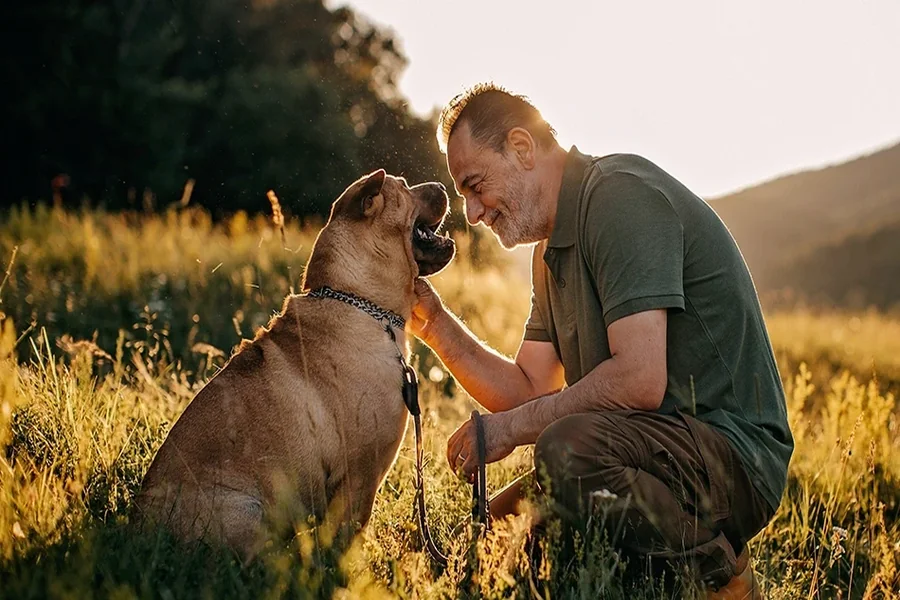
A strong bond between you and your dog also contributes to emotional wellness. Spending quality time together through training, play, and affection can reduce stress and help your dog feel secure.
Maintain Natural Grooming and Preventive Care
Good hygiene is an important part of natural dog health. Regular grooming helps keep your dog comfortable and allows you to notice possible problems early. Brushing your dog’s coat removes loose hair, prevents mats, and distributes natural oils that keep the skin healthy.
Bathing should be done when needed, using products designed specifically for dogs. Human shampoos can irritate a dog’s skin because their skin has a different pH balance. Gentle grooming products can help protect the coat while keeping your pet clean.
Dental care should not be overlooked. Poor dental hygiene can contribute to bad breath, gum problems, and other health issues. Regular brushing with dog-safe toothpaste and appropriate dental chews can support better oral health.
Routine veterinary checkups are also part of responsible natural care. Preventive visits help identify health concerns before they become more serious. Vaccinations, parasite prevention, and professional advice all play a role in maintaining your dog’s wellness.
A comfortable home environment matters as well. Provide a clean sleeping area, protect your dog from extreme temperatures, and reduce exposure to harmful chemicals whenever possible. Creating a safe space supports both physical and emotional health.
Support Your Dog’s Emotional Wellness
A healthy dog is not only physically fit but also emotionally balanced. Dogs are social animals that need attention, companionship, and positive interaction. Loneliness and stress can affect their behavior and overall well-being.
Establishing a consistent daily routine can help your dog feel safe. Regular feeding times, walks, and rest periods create a predictable environment. Dogs often feel more relaxed when they understand what to expect each day.
Positive training methods can improve communication between you and your dog. Reward-based training encourages good behavior while strengthening trust. Harsh methods may create fear and anxiety, so patience and encouragement are better approaches.
Socialization is also important. Allowing your dog to safely interact with people, animals, and new environments can improve confidence. Proper social experiences are especially important during early development but can benefit dogs at any age.
Keeping track of changes in your dog’s behavior can help you notice potential health concerns. Changes such as reduced appetite, unusual tiredness, excessive scratching, or sudden aggression may indicate that your dog needs attention.
For pet owners interested in general online resources and information platforms, websites like celebstatsinfo can be used as part of broader online browsing habits, although pet health decisions should always rely on trusted animal care guidance.
FAQs
What is the best way to keep my dog healthy naturally?
The best approach includes a balanced diet, regular exercise, proper grooming, mental stimulation, clean water, and routine health checks. These habits work together to support your dog’s overall wellness.
Can dogs stay healthy without processed foods?
Some dogs may benefit from carefully planned natural diets, but their meals must still provide complete nutrition. A balanced diet created with professional guidance is important for long-term health.
How much exercise does my dog need every day?
Exercise needs vary depending on breed, age, size, and health condition. Some dogs need long walks and active play, while others require shorter and gentler activities.
Are natural supplements safe for dogs?
Natural supplements can be helpful for some dogs, but safety depends on the ingredient, dosage, and your dog’s health needs. Consult a veterinary professional before using supplements.
How can I improve my dog’s mental health?
You can support mental health through training, interactive toys, regular play, social activities, and spending quality time together. A positive and stable environment helps dogs feel comfortable.
Final Thought
Knowing how to keep your dog healthy naturally is about creating consistent habits that support your pet’s body and mind. Good nutrition, daily movement, preventive care, grooming, and emotional support all contribute to a healthier and happier companion.
Natural care is not about perfection. It is about making thoughtful choices that fit your dog’s unique needs. By paying attention to your dog’s behavior, providing proper care, and building a strong relationship, you can help your pet enjoy a better quality of life for many years.
