



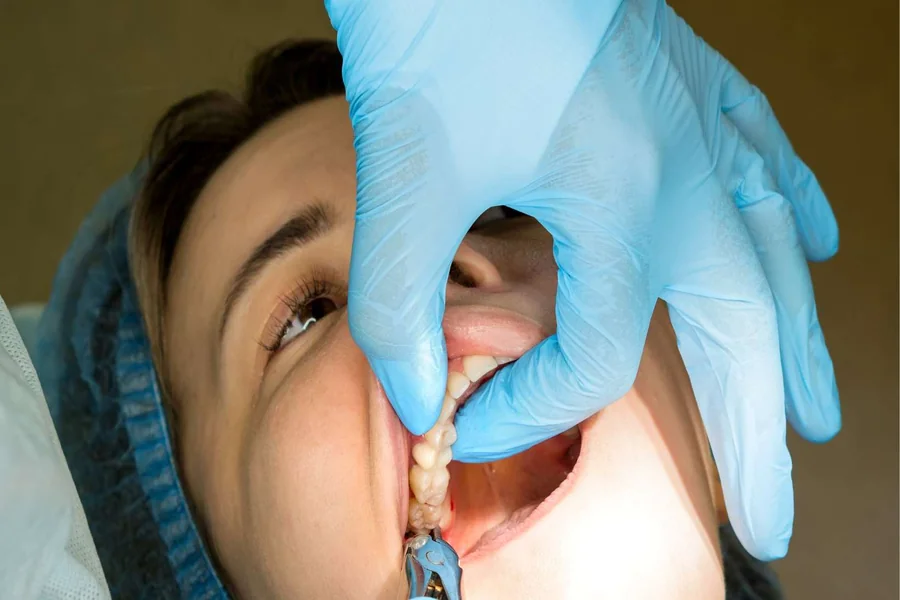
Wisdom Tooth Removal Guide provides everything you need to know about one of the most common oral surgery procedures. Wisdom teeth are the last set of molars to develop and usually appear between the ages of seventeen and twenty five. While some people have enough space for these teeth to grow normally many experience problems because the teeth become impacted or emerge at an improper angle. In these situations removal is often the best option to protect your oral health.
Understanding the Wisdom Tooth Removal Guide can help reduce anxiety before your appointment and prepare you for a successful recovery. Learning why wisdom teeth are removed what happens during the procedure and how to care for your mouth afterward allows you to heal comfortably while reducing the risk of complications.
Why Wisdom Teeth Need to Be Removed
Wisdom teeth do not always require extraction but they often cause problems when there is not enough room in the jaw. Impacted wisdom teeth may remain trapped beneath the gums or partially erupt creating spaces where bacteria and food particles accumulate. This can increase the risk of infection tooth decay gum disease and bad breath.
Crowded wisdom teeth may also push against neighboring teeth affecting alignment and causing discomfort. In some cases cysts can develop around impacted teeth leading to damage to the surrounding bone or nearby tooth roots. Dentists often recommend removing problematic wisdom teeth before serious complications occur because earlier treatment is usually associated with a smoother recovery.
Regular dental examinations and X rays help identify whether wisdom teeth are likely to create future problems. Early evaluation allows your dentist or oral surgeon to recommend the most appropriate treatment plan based on your individual needs.
Signs You May Need Wisdom Tooth Removal
Several symptoms may indicate that a wisdom tooth should be evaluated by a dental professional. Persistent pain at the back of the mouth is one of the most common warning signs. Some patients also experience swelling around the gums jaw stiffness difficulty opening the mouth or discomfort while chewing.
Red swollen or bleeding gums around a partially erupted wisdom tooth can indicate inflammation or infection. A bad taste in the mouth persistent bad breath or repeated episodes of gum tenderness may also suggest bacteria are collecting around the affected tooth.
Sometimes impacted wisdom teeth produce no obvious symptoms but still cause hidden damage that can only be detected through dental imaging. Routine dental checkups are important because they allow potential problems to be identified before they become painful or more difficult to treat.
The Wisdom Tooth Removal Procedure
The wisdom tooth removal process begins with a thorough examination and dental imaging to determine the position of the tooth and the complexity of the extraction. Your dentist or oral surgeon explains the procedure and discusses the type of anesthesia or sedation that is most appropriate for your situation.
During the procedure the area is numbed using local anesthesia and some patients may also receive sedation for additional comfort. If the wisdom tooth is fully erupted it may be removed similarly to a regular tooth extraction. Impacted teeth often require a small incision in the gum to expose the tooth. In some cases the tooth is divided into smaller sections before removal to reduce stress on the surrounding bone.
After the tooth has been removed the area is cleaned carefully to reduce the risk of infection. Stitches may be placed if necessary and gauze is positioned over the extraction site to help control bleeding and encourage blood clot formation. Most wisdom tooth removal procedures are completed within a relatively short period although the exact time depends on the number and position of the teeth being removed.
Recovery After Wisdom Tooth Removal
Recovery is an important part of successful healing. Mild swelling discomfort and slight bleeding are normal during the first twenty four to forty eight hours after surgery. Applying a cold compress to the outside of the face during the first day can help reduce swelling and improve comfort.
Rest is recommended during the first few days following the procedure. Patients should avoid strenuous physical activity because it may increase bleeding and delay healing. It is also important to keep the protective blood clot in place since losing it too early may result in a painful condition known as dry socket.
Eating soft foods such as yogurt mashed potatoes soup scrambled eggs oatmeal and smoothies makes chewing more comfortable while protecting the extraction site. Drink plenty of water but avoid using straws because the suction can disturb the healing blood clot. Gradually return to your normal diet as instructed by your dental professional.
Essential Aftercare Tips
Good aftercare supports faster healing and reduces the risk of complications. Continue brushing your teeth carefully while avoiding direct contact with the extraction site during the early stages of recovery. Gentle rinsing with warm salt water may be recommended after the first twenty four hours to help keep the area clean.
Take prescribed or recommended medications exactly as directed to manage discomfort and reduce the risk of infection when necessary. Avoid smoking and tobacco products because they significantly slow healing and increase the likelihood of complications including dry socket.
Attend all follow up appointments so your dentist or oral surgeon can monitor your recovery. Contact your dental provider immediately if you experience severe pain persistent heavy bleeding increasing swelling after several days fever or signs of infection.
Benefits of Removing Problematic Wisdom Teeth
Removing problematic wisdom teeth provides several long term benefits for your oral health. Extraction helps prevent damage to neighboring teeth reduces the risk of infections and lowers the chance of developing cysts or gum disease around impacted teeth.
Patients often experience relief from chronic pain pressure and swelling after healing is complete. Removing impacted wisdom teeth also makes oral hygiene easier because hard to reach areas at the back of the mouth become more accessible for brushing and flossing.
Early removal may prevent future orthodontic concerns related to crowding and helps maintain healthier gums and surrounding bone. For many patients wisdom tooth extraction is a preventive treatment that protects their smile for years to come.
Final Thought
Wisdom Tooth Removal Guide helps you understand why wisdom teeth sometimes need to be extracted and what you can expect before during and after the procedure. Although the idea of oral surgery may seem intimidating modern techniques and effective pain management make wisdom tooth removal a routine and safe treatment for most patients.
Following your dentist’s aftercare instructions carefully plays a major role in achieving a smooth recovery. Maintaining good oral hygiene eating appropriate foods and attending follow up visits will help you heal comfortably while protecting your long term oral health.
FAQs
Why do wisdom teeth need to be removed?
Wisdom teeth are often removed because they become impacted cause pain increase the risk of infection damage nearby teeth or contribute to gum disease.
Is wisdom tooth removal painful?
The procedure itself is usually comfortable because local anesthesia or sedation is used. Mild soreness after surgery is normal and can usually be managed with recommended medications.
How long does recovery take after wisdom tooth removal?
Most patients begin feeling much better within a few days while complete healing of the extraction site may take several weeks depending on the complexity of the procedure.
What foods should I eat after wisdom tooth removal?
Soft foods such as yogurt mashed potatoes soup scrambled eggs oatmeal and smoothies are recommended during the early stages of recovery.
What is dry socket?
Dry socket is a painful condition that occurs when the protective blood clot at the extraction site becomes dislodged before the area has healed properly.
When should I contact my dentist after wisdom tooth removal?
Contact your dentist if you experience severe pain persistent heavy bleeding fever increasing swelling after several days or any signs of infection.
