



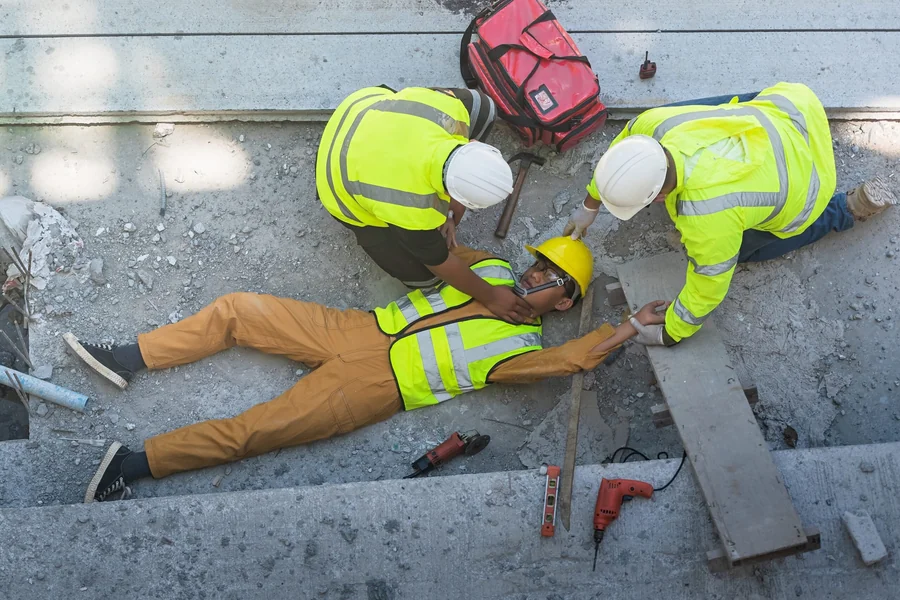
One moment you are doing your job, the next you are dealing with pain, missed work, medical forms, and a supervisor or insurance adjuster asking for statements before you have had time to think. If you were injured in a construction accident, a construction site injury can turn your routine upside down fast. You may be worried about your paycheck, your treatment, and whether speaking up could cost you your job.
You do have options. After being hurt on a job site, you may be able to file for workers’ compensation, report safety issues, and in some cases bring a claim against someone other than your employer. The right path depends on how the accident happened, who controlled the site, and whether safety rules were ignored. If you are searching for Your Legal Options After Being Injured In A Construction Accident, the short answer is this: protect your health first, protect the record of what happened next, and get clear advice before you sign anything or accept blame.
Construction accident claims often involve more than one legal path
Construction sites are crowded with moving parts, subcontractors, equipment, deadlines, and risk. Falls from scaffolding, trench collapses, electrocution, falling tools, forklift crashes, and defective machinery can all leave you with serious injuries. The legal side gets messy because the company that signs your paycheck is not always the only company responsible.
Workers’ compensation is often the first source of benefits. It can help cover medical care and part of your lost wages after a job related injury. Cornell Law School offers a clear overview of workers’ compensation, and many injured workers start there because fault usually does not have to be proven. That helps, but it also has limits. It may not fully cover lost income, pain, or the long term effect of a disabling injury.
That is where a separate claim may matter. If a general contractor failed to secure the site, a property owner ignored known hazards, or a manufacturer sold defective equipment, you may have a third party case in addition to workers’ compensation. This is one reason construction accident legal options should be reviewed early. A rushed statement can leave out facts that later become central.
You might already be hearing some version of “these things happen.” That can make you second guess yourself, especially if you have worked around risk for years. Job site injuries are common, but that does not make them acceptable. Federal safety rules exist for a reason, and workers have rights under OSHA worker protections when conditions are unsafe or when retaliation is a concern.
The cost of waiting after a construction site injury adds up quickly
The first few days after an accident matter more than most people realize. If the incident is not reported clearly, the story can shift. If you do not get medical care right away, the insurer may argue you were not badly hurt. If photos are not taken, a dangerous condition may be fixed before anyone can prove what caused the fall or collapse.
Money pressure makes this harder. You may feel pushed to get back to work before your body is ready. You may be offered a light duty role that still aggravates your injury. You may also be dealing with calls from claims representatives who sound helpful but are building a file around your words. A simple comment like “I’m doing okay” can be used to minimize what you are actually going through.
Many injured workers also miss the bigger picture. A back injury that seems manageable on day three can turn into months of treatment. A head injury may not show its full effect right away. Numbness, sleep problems, memory trouble, and chronic pain can change your ability to earn a living long after the accident report is filed. That is why speaking with a personal injury lawyer can be useful when the facts suggest more than a routine workers’ compensation claim.
Key differences between workers’ compensation and a third party injury claim
| Issue | Workers’ Compensation | Third Party Injury Claim |
|---|---|---|
| Who the claim is against | Your employer’s workers’ compensation insurer | Another responsible party such as a contractor, property owner, or equipment maker |
| Need to prove fault | Usually no | Usually yes |
| Medical bills | Often covered if the injury is work related | May be recovered as damages |
| Lost wages | Usually partial wage replacement | May include full lost income and future losses |
| Pain and suffering | Usually not available | May be available |
| Common examples | Fall while performing assigned work duties | Scaffold failure caused by another contractor or defective lift equipment |
Safety failures are often preventable. OSHA’s construction safety guide on common hazards, available here in this construction safety PDF, shows how often falls, struck by incidents, caught between events, and electrocutions are tied to known risks. When those risks are ignored, an injured worker may have a stronger basis for a broader claim.
Three steps to protect your construction injury case right away
Get medical care and follow through. Go as soon as possible, describe every symptom, and keep every follow up appointment. Do not minimize pain to appear tough. Your records should reflect what your body is actually dealing with.
Preserve evidence before it disappears. Save photos of the scene, your injuries, damaged gear, and any equipment involved. Keep names of witnesses, incident reports, text messages, and work logs. If your hard hat, harness, or tools were damaged, do not throw them away.
Get legal guidance before giving detailed statements or signing releases. A lawyer handling work injury claims can identify whether you only have a workers’ compensation case or whether a third party claim exists too. That can affect what compensation may be available to you and your family.
You do not have to sort this out alone
After a serious site injury, confusion is part of the experience. You are trying to heal while other people focus on paperwork, deadlines, and limiting what gets paid. You do not need to have every answer today, but you do need to protect your rights before key evidence and deadlines slip away.
If you were injured on a job site, take the injury seriously, document what happened, and speak with a lawyer who handles construction accident cases and personal injury claims. The right advice can help you understand what you can recover and what steps make sense next.
