



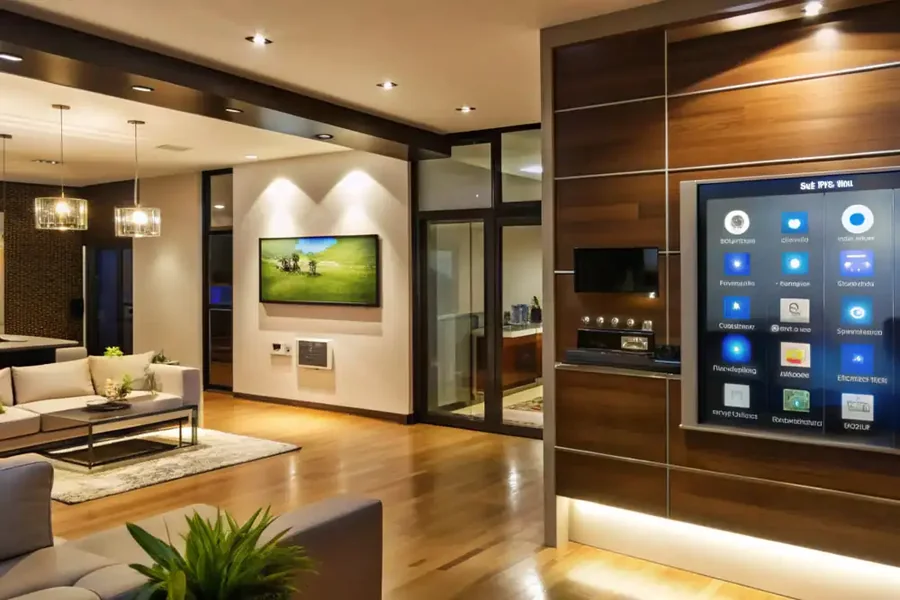
Smart Home technology has transformed the way people interact with their living spaces. From controlling lights and security systems to managing appliances through smartphones, smart homes offer a new level of comfort, convenience, and efficiency. With rapid advancements in technology, more households are adopting automated systems that make daily life easier and more connected. This shift is not only improving lifestyle quality but also enhancing energy efficiency and home security.
Understanding Smart Home Technology and Its Concept
A smart home refers to a living space equipped with devices that can be controlled remotely through the internet. These devices are connected through a network, allowing users to manage them using smartphones, tablets, or voice assistants. The main concept behind smart home technology is automation and remote control. For example, users can turn off lights, adjust thermostats, or monitor security cameras from anywhere. This system creates a more efficient and user-friendly living environment that adapts to individual needs.
Key Devices Used in Smart Home Systems
Smart home systems consist of various connected devices that work together to improve daily living. Smart lights allow users to control brightness and color settings remotely. Smart thermostats help regulate room temperature based on user preferences. Security cameras and smart door locks enhance home safety by providing real-time monitoring. Voice assistants like smart speakers help control multiple devices through voice commands. These devices create a seamless and integrated home experience that increases comfort and control.
Benefits of Smart Home Automation
Smart home technology offers several benefits that improve modern lifestyles. One of the main advantages is convenience, as users can control multiple devices from a single platform. Energy efficiency is another major benefit, as smart systems help reduce electricity usage by automatically adjusting settings. Security is also significantly improved through real-time monitoring and alerts. Additionally, smart homes save time by automating daily tasks such as lighting, cleaning, and temperature control. These benefits make smart homes increasingly popular among homeowners.
How Smart Home Systems Improve Energy Efficiency
Energy efficiency is a key feature of smart home technology. Smart thermostats adjust heating and cooling based on occupancy patterns, reducing unnecessary energy use. Smart lighting systems turn off automatically when rooms are not in use. Energy monitoring devices help track electricity consumption and identify wasteful usage. These features not only reduce utility bills but also contribute to environmental sustainability. By optimizing energy usage, smart homes play an important role in promoting eco-friendly living.
Security and Safety in Smart Homes
Home security is greatly enhanced with smart home systems. Smart cameras provide live video monitoring that can be accessed remotely. Motion sensors detect unusual activity and send instant alerts to homeowners. Smart locks allow keyless entry and can be controlled through mobile apps. Fire and smoke detectors integrated into smart systems provide early warnings in case of emergencies. These features offer peace of mind and ensure a safer living environment for families.
Challenges and Limitations of Smart Home Technology
Despite its advantages, smart home technology also comes with certain challenges. One major issue is the high initial cost of installation and devices. Internet dependency is another limitation, as most systems require stable connectivity to function properly. Privacy and security concerns also arise due to data sharing between connected devices. Technical issues or system failures can sometimes disrupt automation. Overcoming these challenges requires proper planning, security measures, and reliable technology support.
Final Thought
Smart Home technology is reshaping modern living by combining convenience, efficiency, and security into one connected system. While there are challenges to consider, the benefits far outweigh the limitations. As technology continues to evolve, smart homes will become more accessible and advanced, offering even greater control over daily life. This innovation represents the future of comfortable and intelligent living environments.
FAQs
What is a smart home?
A smart home is a house equipped with connected devices that can be controlled remotely through smartphones or voice assistants.
How does smart home technology work?
It works by connecting devices through the internet, allowing users to control and automate them remotely.
What are the benefits of a smart home?
Benefits include convenience, energy efficiency, improved security, and time-saving automation.
Are smart homes expensive?
Initial setup can be costly, but long-term savings on energy and efficiency often balance the cost.
Is smart home technology safe?
Yes, but proper security measures like strong passwords and updates are important to protect privacy.
