



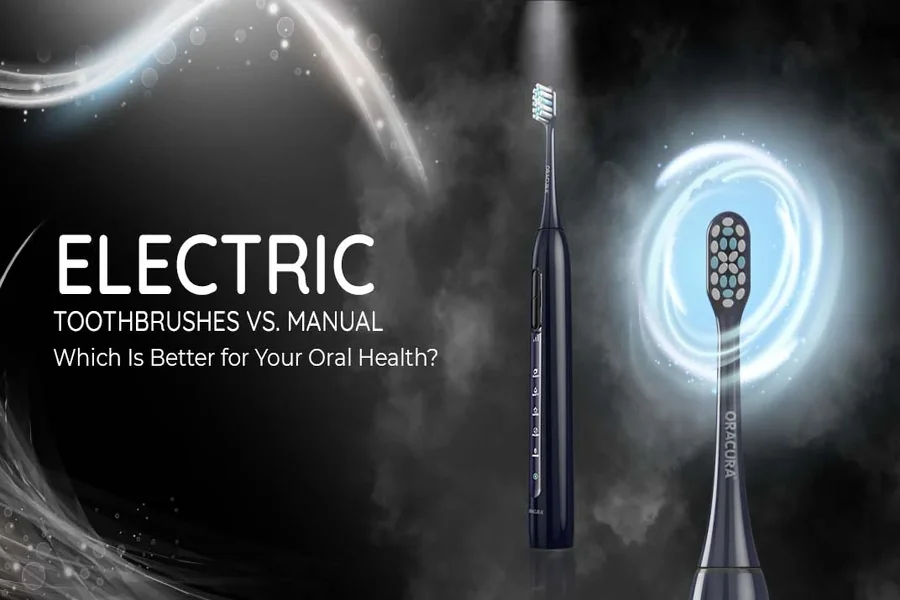
Maintaining good oral hygiene requires more than regular brushing. The tools you use can influence how effectively you remove plaque, protect your gums, and maintain a healthy smile. An Electric Toothbrush Benefits Guide helps you understand why many people are choosing powered toothbrushes and how these devices can improve daily dental care.
Electric toothbrushes have become increasingly popular because they provide automated brushing movements that can make cleaning easier and more consistent. Unlike traditional toothbrushes, many electric models include advanced features such as timers, pressure sensors, and different cleaning modes designed to support better brushing habits.
While an electric toothbrush is not a replacement for proper technique or professional dental care, it can be a valuable addition to your oral hygiene routine. Choosing the right model and using it correctly can help improve plaque removal, encourage better brushing habits, and support long-term dental health.
Understanding How Electric Toothbrushes Work
Electric toothbrushes use powered movements to clean teeth and gums. Depending on the model, the brush head may rotate, oscillate, vibrate, or use sonic technology to remove plaque from tooth surfaces.
Rotating and oscillating toothbrushes use small circular movements to clean individual teeth. These brushes often move in multiple directions, helping users reach areas that may be missed with manual brushing.
Sonic toothbrushes use high-speed vibrations to create rapid movements that clean teeth and help move fluid between teeth and along the gumline. This technology can provide a gentle yet effective cleaning experience.
Most electric toothbrushes include rechargeable batteries, replaceable brush heads, and built-in features designed to improve brushing consistency. Some advanced models connect to mobile apps that provide feedback about brushing patterns and coverage.
The main advantage of electric toothbrushes is that they assist with the brushing process. Instead of relying entirely on hand movements, users can guide the brush while the device performs consistent cleaning motions.
Major Benefits of Using an Electric Toothbrush
One of the biggest advantages of electric toothbrushes is improved plaque removal. Plaque is a sticky layer of bacteria that forms on teeth and can contribute to cavities and gum disease if not removed properly.
Many people find it easier to clean their teeth thoroughly with an electric toothbrush because the automated movements help maintain consistent brushing. This can be especially helpful for individuals who have difficulty using proper manual brushing techniques.
Electric toothbrushes also encourage better brushing duration. Many models include built-in timers that alert users when they have brushed for the recommended two minutes. This feature helps prevent rushing through brushing sessions.
Another benefit is reduced brushing pressure. Some people brush too aggressively with manual toothbrushes, which may contribute to gum irritation and enamel wear. Pressure sensors on electric models can alert users when they are applying too much force.
For individuals with limited mobility, arthritis, or hand coordination challenges, electric toothbrushes can make brushing more comfortable. The powered movement reduces the amount of effort needed to clean teeth effectively.
Electric toothbrushes can also make brushing more engaging for children. Many child-friendly models include colorful designs, timers, and interactive features that encourage regular oral care habits.
Electric Toothbrush Features to Consider
Selecting the right electric toothbrush depends on your personal needs, budget, and oral health goals. Understanding important features can help you choose a model that provides the best experience.
A built-in timer is one of the most useful features because it encourages brushing for the recommended amount of time. Some timers also divide brushing into sections, reminding users to clean different areas of the mouth evenly.
Pressure sensors are another valuable feature. They notify users when they are pressing too hard, helping protect gums and tooth enamel from unnecessary damage.
Different brushing modes can provide customized cleaning experiences. Common options include daily cleaning, sensitive care, gum massage, whitening, and deep cleaning modes.
Battery life is important for convenience. A toothbrush with a long-lasting rechargeable battery is useful for frequent travelers or people who prefer not to charge their device often.
The availability and cost of replacement brush heads should also be considered. Since brush heads need regular replacement, choosing a model with easily available replacements can make long-term maintenance simpler.
Some electric toothbrushes include smart technology that tracks brushing habits through mobile applications. These features can provide helpful reminders and personalized feedback for users who want detailed guidance.
Who Can Benefit From an Electric Toothbrush?
Electric toothbrushes can benefit a wide range of users, but some people may find them especially helpful.
Individuals who struggle with plaque buildup may benefit from the consistent cleaning action of powered brushes. The automated movements can help improve brushing effectiveness when used correctly.
People with braces may find electric toothbrushes useful because orthodontic appliances create additional areas where plaque can collect. Specialized brush heads can help clean around brackets and wires.
Older adults and individuals with limited hand movement may appreciate the easier handling of electric toothbrushes. The device does much of the brushing motion, requiring less manual effort.
Children can also benefit from electric toothbrushes when using age-appropriate models. Features such as timers and fun designs may encourage children to brush regularly and develop healthy habits.
People with sensitive teeth or gums can choose electric toothbrushes with gentle settings and soft brush heads. These options allow effective cleaning while reducing discomfort.
However, an electric toothbrush is not automatically better for everyone. Some people may prefer manual toothbrushes and can maintain excellent oral health with proper brushing techniques and regular dental care.
How to Use an Electric Toothbrush Correctly
Using an electric toothbrush properly is essential for getting the best results. Although the device performs the brushing movement, correct positioning and technique still matter.
Start by applying fluoride toothpaste to the brush head. Place the brush against your teeth at a slight angle toward the gumline.
Allow the toothbrush to move slowly across each tooth surface. Avoid scrubbing back and forth like you would with a manual toothbrush. Let the powered movement do the cleaning while you guide the brush gently.
Clean all areas of your mouth, including the outside surfaces, inside surfaces, and chewing areas of your teeth. Spend enough time in each section to ensure complete coverage.
Do not press too hard. Allow the brush to make contact with your teeth without forcing it against the gums.
After brushing, rinse the brush head thoroughly and store it in an upright position where it can air dry.
Replace the brush head every three months or according to the manufacturer’s instructions. A worn brush head becomes less effective and may not provide the same cleaning performance.
Maintaining Oral Health Beyond Electric Brushing
Although electric toothbrushes offer many advantages, they are only one part of a complete oral care routine.
Daily flossing or cleaning between teeth is important because toothbrushes cannot fully reach tight spaces between teeth. Removing plaque from these areas helps prevent cavities and gum problems.
Regular dental checkups allow professionals to identify potential issues early and provide preventive treatments when needed.
A healthy diet also supports strong teeth and gums. Limiting sugary snacks and acidic drinks can reduce the risk of enamel damage and tooth decay.
Drinking enough water helps maintain saliva production, which naturally protects the mouth by washing away food particles and neutralizing acids.
Avoiding tobacco products is another important step for maintaining oral health. Tobacco use increases the risk of gum disease, tooth loss, and other serious dental problems.
Combining an electric toothbrush with good lifestyle habits creates a strong foundation for long-term oral wellness.
Final Thought
The Electric Toothbrush Benefits Guide shows that powered toothbrushes can be an effective tool for improving daily oral hygiene. Features such as timers, pressure sensors, and automated movements help many users develop better brushing habits and achieve more consistent cleaning results.
While electric toothbrushes are not a substitute for proper technique, flossing, or professional dental care, they can make maintaining a healthy smile easier and more convenient. Choosing the right model based on your needs and using it correctly can support stronger teeth, healthier gums, and better overall oral care.
FAQs
Are electric toothbrushes better than manual toothbrushes?
Electric toothbrushes can help many people remove plaque more effectively and maintain better brushing habits, but manual toothbrushes can also work well when used with proper technique.
How often should I replace an electric toothbrush head?
Most electric toothbrush heads should be replaced every three months or sooner if the bristles become worn or damaged.
Can children use electric toothbrushes?
Yes. Children can use electric toothbrushes designed for their age, and these brushes may help encourage better brushing habits.
Do electric toothbrushes damage teeth or gums?
Electric toothbrushes are generally safe when used correctly. Models with pressure sensors can help prevent brushing too aggressively.
How long should I brush with an electric toothbrush?
You should brush for about two minutes, or follow the timer provided by your electric toothbrush if it includes one.
Can electric toothbrushes help with gum health?
Yes. Regular use of an electric toothbrush can help remove plaque near the gumline, which supports healthier gums.
Are expensive electric toothbrushes always better?
Not necessarily. The best toothbrush is one that fits your needs, has useful features, and helps you maintain consistent oral hygiene habits.
